

Prostate gland is a reproductive organ located below the urinary bladder and in front of the rectum. Similar to the bladder, the prostate can become inflamed and infected leading to symptoms such as difficulty urinating, pain with ejaculation, blood in the urine, burning with urination, urinary frequency and urgency. Fortunately, prostatitis is not very common, but when it occurs it typically requires antibiotics to treat.
The most common cause of prostatitis is a bacterial infection.
Prostatitis usually presents with urinary and pelvic symptoms and these may include:
Prostatitis is typically diagnosed with a combination of patient medical history, physical examination and urinary/blood work.
Collecting a urine sample after a prostate massage can be very useful in identifying the organism responsible for the infection.
Performing a post void residual test with a bladder Ultrasound can be helpful in ruling out urinary retention which may accompany a prostate infection.
PSA or prostate specific antigen can be measured, which will very likely be elevated during an active infection.
Mainstay of treatment for bacterial prostatitis is antibiotic therapy and anti-inflammatory medications. Depending on the severity of the infection, antibiotics may need to be prescribed for a prolonged period of time to fully eradicate the infection.
If urinary retention is present, a catheter may be recommended to help drain the bladder.
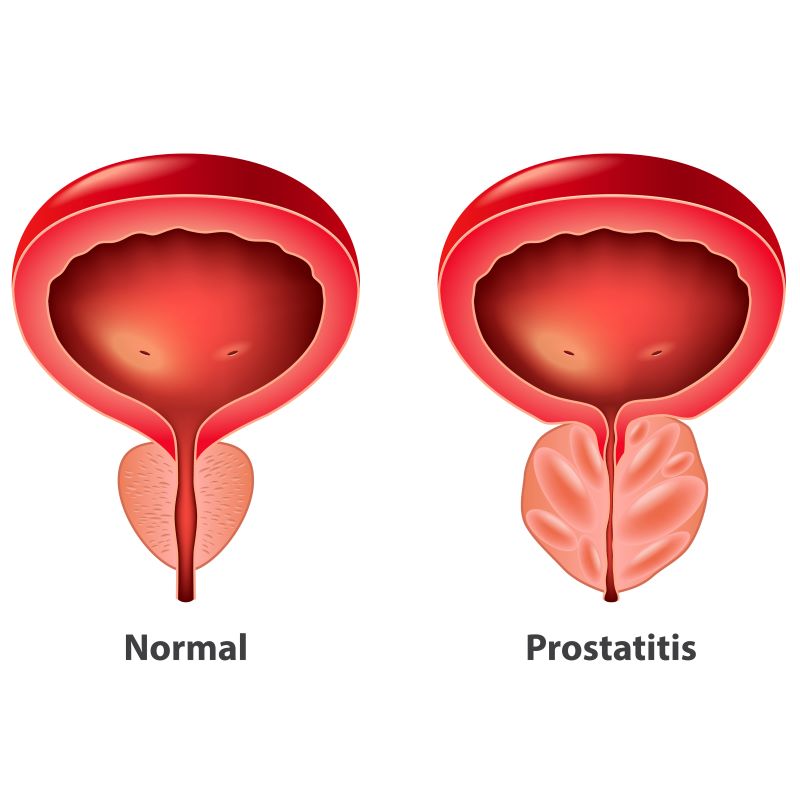
While some cases of inflammatory prostatitis can resolve on their own, many cases of bacterial prostatitis will require treatment. We recommend seeing your doctor sooner rather than later for evaluation and treatment.
Prostate gland is part of the urinary and reproductive tracts and therefore, infection of the prostate can involve other organs that are part of the urinary and reproductive systems including the bladder, testicle(s), urethra, epididymis, seminal vesicles and kidney(s). In severe cases, infection can also spread to the bloodstream.
Prostatitis will usually require medication(s) to treat it. An antibiotic and an anti-inflammatory medication will likely be prescribed to you. Sometimes a medicine that relaxes the prostate gland may also be prescribed to improve your urinary symptoms.
We are dedicated to compassionate and comprehensive urologic care, offering you necessary and appropriate evaluations and treatments that you may need to feel and be healthy. With years of experience in urologic care, we are the team that you can trust.
Urologic Surgery of NWI is your source of reliable information and excellent urologic care in the region. We are here to answer all of your questions and take care of you like family. Please contact us today to schedule your consultation appointment.

We will work together to jointly find the best treatment plan for you. We respect your wishes and are here to empower you to make your own decisions regarding your health and well being. Please contact our office to schedule a consultation.
Request An Appointment