

Testicular cancer is one of the most common cancers in young men. Fortunately, this cancer is usually very curable and has a good overall prognosis. Risk factors for testicular cancer include family history and personal history of undescended testicle(s).
Unlike most other urologic cancers, testicular cancer is often easier to catch early given the external location of the testicles. It is, therefore, important to get in the habit of periodically performing self examination of the testicles.
Testicular cancer may or may not cause any symptoms. Some symptoms may include:
Examination of one’s own testicles is important to allow early detection.
The best time to check for lumps of the testicle(s) is during a warm shower. To evaluate for lumps, you can roll each testicle within the fingers of one hand while the other hand stabilizes the testicle. Take note of any lumps, swelling or any other abnormalities that may be new and not felt before. Call your doctor right away if something abnormal is found.
Physical examination together with imaging studies such as Ultrasound of the scrotum and abdominal CT or MRI scans are often used to suggest a diagnosis of testicular cancer and evaluate for any potential cancer in other parts of the body.
If there is a high suspicion based on imaging and physical exam findings, testicular removal would then be recommended. Removal of the testicle is both diagnostic and therapeutic.
Specific blood tests, referred to as tumor markers, may also be obtained during the evaluation of testicular abnormalities.
Depending on the size, location and type of testicular cancer, orchiectomy (testicular removal) may be the only treatment needed.
Chemotherapy, radiation therapy and/or additional surgery may be recommended if there is evidence of aggressive cancer features or evidence of cancer spread to other parts of the body.
All testicular cancer treatments may affect sperm production and fertility, therefore, it is strongly recommended to preserve sperm before treatment begins, especially if you are planning to father children in the future.
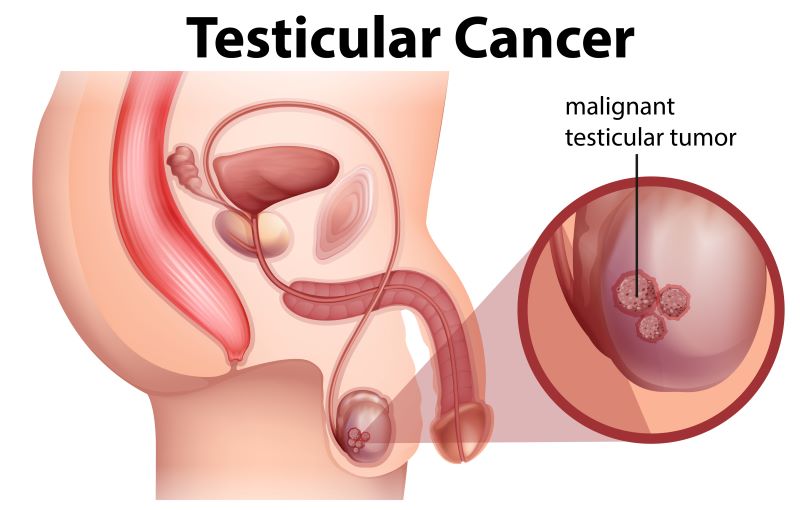
In general, only the affected testicle will need to be removed. If the other testicle is not affected, it can remain in place. Losing one testicle may result in infertility and lower testosterone levels.
If you find a lump within your scrotum, please talk to your doctor right away to undergo the necessary evaluation.
In most cases, men who are treated for testicular cancer can still have children naturally. One remaining testicle, however, may not produce enough healthy sperm needed for conception, especially if additional treatments like chemotherapy and/or radiation therapy are used. It is, therefore, strongly advised that you consider preserving your sperm in a sperm bank, just in case, before treatments begin.
We are dedicated to compassionate and comprehensive urologic care, offering you necessary and appropriate evaluations and treatments that you may need to feel and be healthy. With years of experience in urologic care, we are the team that you can trust.
Urologic Surgery of NWI is your source of reliable information and excellent urologic cancer care in the region. We closely collaborate with our radiation oncology and medical oncology colleagues to improve your cancer outcomes. Please contact us today to schedule your consultation appointment.
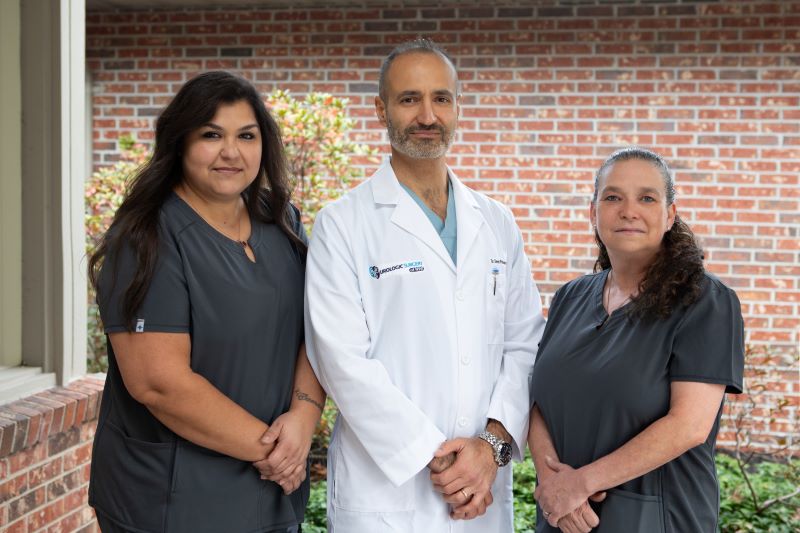
We will work together to jointly find the best treatment plan for you. We respect your wishes and are here to empower you to make your own decisions regarding your health and well being. Please contact our office to schedule a consultation.
Request An Appointment