

Urologic Surgery NWI

  • 1101 Glendale Blvd., Unit 107 A, Valparaiso, Indiana, 46383
  • (219) 286-6888
Urologic-Surgery-of-NWI-logo-1
  • Home
  • About Dr. Pinkhasov
    • About Dr. Pinkhasov
    • Patient Reviews
  • Conditions/Procedures
    • Conditions & Procedures We Treat
    • Erectile Dysfunction
    • Groin Pain
    • Hydrocele
    • Hydronephrosis
    • Kidney Stones
    • Low Testosterone
    • Vasectomy
    • Urethral Stricture
    • Scrotal Swelling
    • BPH/Enlarged Prostate
    • Prostatitis
    • Elevated PSA
    • Overactive Bladder
    • Urinary Tract Infection
    • Urinary Incontinence
    • Urinary Retention
    • Hematuria
    • Cancers
    • • ADRENAL MASS
    • • BLADDER CANCER
    • • URETHRAL CANCER
    • • URETERAL CANCER
    • • TESTICULAR CANCER
    • • KIDNEY CANCER
    • • PENILE CANCER
    • • PROSTATE CANCER
  • Patient Resources
    • Patient Forms
    • Supplemental Consent Forms
    • Surgery Instructions
    • Pay My Bill
    • Patient Portal
    • Links & Resources
Contact Us
  • 1101 Glendale Blvd., Unit 107 A, Valparaiso, Indiana, 46383
Request An Appointment
MENU
  • (219) 286-6888

Urinary Incontinence

Do you have a question?

Contact us today!

(219) 286-6888

Loss of Bladder Control

Urinary incontinence (UI) is a common condition that is characterized by loss of bladder control. It is more prevalent in women and its incidence increases with age. Urinary incontinence is commonly described as stress, urge or mixed urinary incontinence.

Some of its causes include age, urinary tract infection, menopause, weak pelvic floor such as after a vaginal delivery, obesity, neurological disorders, diabetes and overactive bladder.

Symptoms

Symptoms associated with urinary incontinence may include:

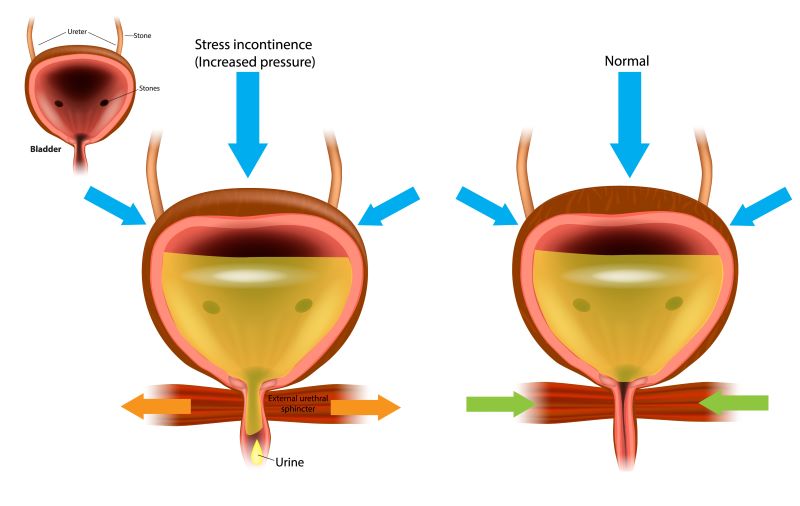
  • Unintentional urinary leakage with increasing abdominal pressure (coughing, sneezing, changing body position)
  • Urinary frequency and/or urgency
  • Vaginal dryness and/or pain with sexual intercourse
  • Pain or burning with urination
  • Redness or irritation of genital skin
Diagnosis

Because urinary incontinence has many possible causes, a variety of diagnostic tests may be necessary to establish the diagnosis.

Evaluation typically begins with clinical history and physical examination.

Additional tests may include:

  • Urinalysis and urine culture
  • Post void residual urine measurement
  • Voiding diary
  • Cough test
  • Pad test
  • Pelvic imaging such as Ultrasound
  • Bladder visualization with a cystoscope
  • Urodynamics
Treatment

Treatment will depend and focus on the specific cause(s) of the urinary incontinence.

Some of the treatments may include:
  • Antibiotics: will be prescribed if UTI is the reason for the urinary incontinence.
  • Anticholinergic or Beta 3 Agonist Medications: are recommended and are effective for overactive bladder symptoms (urgency and urge incontinence).
  • Pelvic Floor Therapy: is recommended for stress urinary incontinence and is intended to strengthen the pelvic floor muscles.
  • Surgery: urethral slings and/or bladder suspension surgery may be necessary in some cases especially if conservative management fails. Injection of Botox into the bladder or neuromodulation may be offered in cases of intractable overactive bladder symptoms.
urinary incontinence diagram showing urine leakage after pressure on bladder

Urinary Incontinence FAQs

What is the difference between urinary incontinence and overactive bladder?

Urinary incontinence is a symptom of overactive bladder. Aside from overactive bladder, many other conditions can cause urinary incontinence.

What are the risk factors for urinary incontinence?

Older age, being a woman, obesity, diabetes, history of vaginal deliveries and pelvic surgery, neurological conditions such as multiple sclerosis, Parkinson’s disease, strokes and dementia.

How can I manage my symptoms?

Consistently performing pelvic floor exercises (Kegel) can help improve stress and mixed urinary incontinence. Additionally, lifestyle changes such as avoiding caffeine and alcohol can help reduce symptoms as well.

Find Comfort with Urologic Surgery of NWI

We are dedicated to compassionate and comprehensive urologic care, offering you necessary and appropriate evaluations and treatments that you may need to feel and be healthy. With years of experience in urologic care, we are the team that you can trust.

(219) 286-6888

Urinary Incontinence Treatment in Northwest Indiana

Urologic Surgery of NWI is your source of reliable information and excellent urologic care in the region. We are here to answer all of your questions and take care of you like family. Please contact us today to schedule your consultation appointment.

Take Control of Your Health & Wellness

We will work together to jointly find the best treatment plan for you. We respect your wishes and are here to empower you to make your own decisions regarding your health and well being. Please contact our office to schedule a consultation.

(219) 286-6888

Request An Appointment

  • Should be Empty:

contact information

  • (219) 286-6888
  • Fax: (219) 286-6909
  • office@urologicsurgerynwi.com
  • 1101 Glendale Blvd., Unit 107 A,
    Valparaiso, IN 46383

Office hours

  • Monday-Friday
  • 8am-4:30pm
  • Closed On Weekends

Copyright © 2026 Urologic Surgery NWI.
Website Design By Valpo Web Design

Scroll to Top

Menu

HOME
About Dr. Pinkhasov
Patient Reviews
Conditions/Procedures

We Treat:

  • Erectile Dysfunction
  • Groin Pain
  • Hydrocele
  • Hydronephrosis
  • Kidney Stones
  • Low Testosterone
  • Vasectomy
  • Urethral Stricture
  • Scrotal Swelling
  • BPH/Enlarged Prostate
  • Prostatitis
  • Elevated PSA
  • Overactive Bladder
  • Urinary Tract Infection
  • Urinary Incontinence
  • Urinary Retention
  • Hematuria

Cancers:

  • • ADRENAL MASS
  • • BLADDER CANCER
  • • URETHRAL CANCER
  • • TESTICULAR CANCER
  • • KIDNEY CANCER
  • • PENILE CANCER
  • • PROSTATE CANCER
Patient Resources
  • Patient Forms
  • Supplemental Consent Forms
  • Surgery Instructions
  • Pay My Bill
  • Patient Portal
  • Links & Resources
CONTACT US